Top Game Engines : Are you looking to create a high-quality FPS game in the modern era? Choosing the right game engine is crucial for developing immersive gameplay, stunning graphics, and smooth performance. Whether you’re an indie developer or part of a larger studio, this guide will help you find the best game engine to build your FPS or firearm-based game in 2025.
What Makes a Great Game Engine for FPS Games?
Table of Contents
Top Game Engines FPS (First-Person Shooter) games require realistic physics, advanced animation systems, and high-fidelity graphics to deliver the best player experience. A top game engine for FPS development should provide:
- Realistic weapon handling and ballistics
- High-end lighting and rendering technologies
- Support for multiplayer networking
- Flexible scripting and modding capabilities
- Cross-platform deployment
Best Game Engines to Build FPS Games in 2025
1. Unreal Engine 5: The Industry Standard for AAA FPS Games
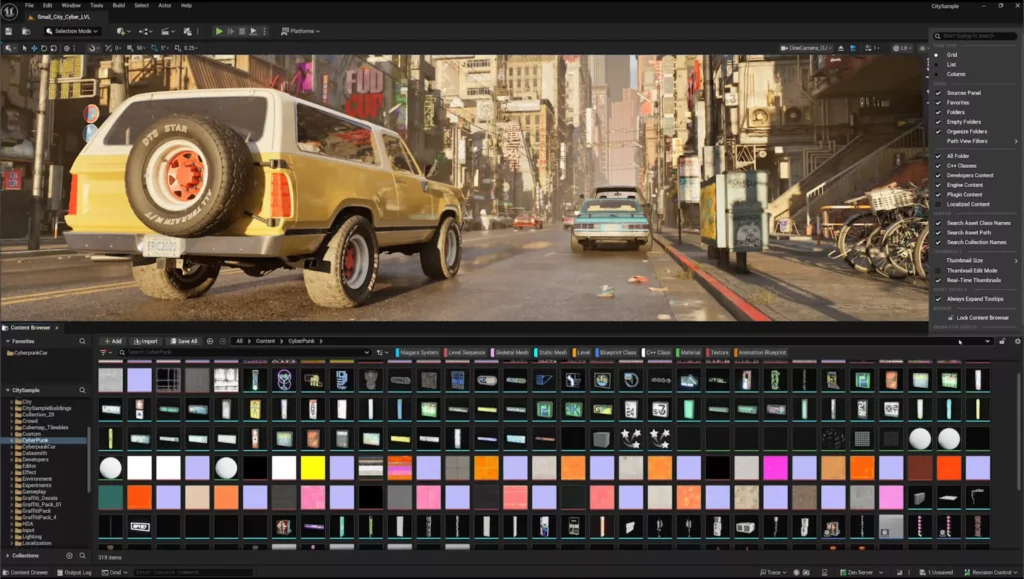
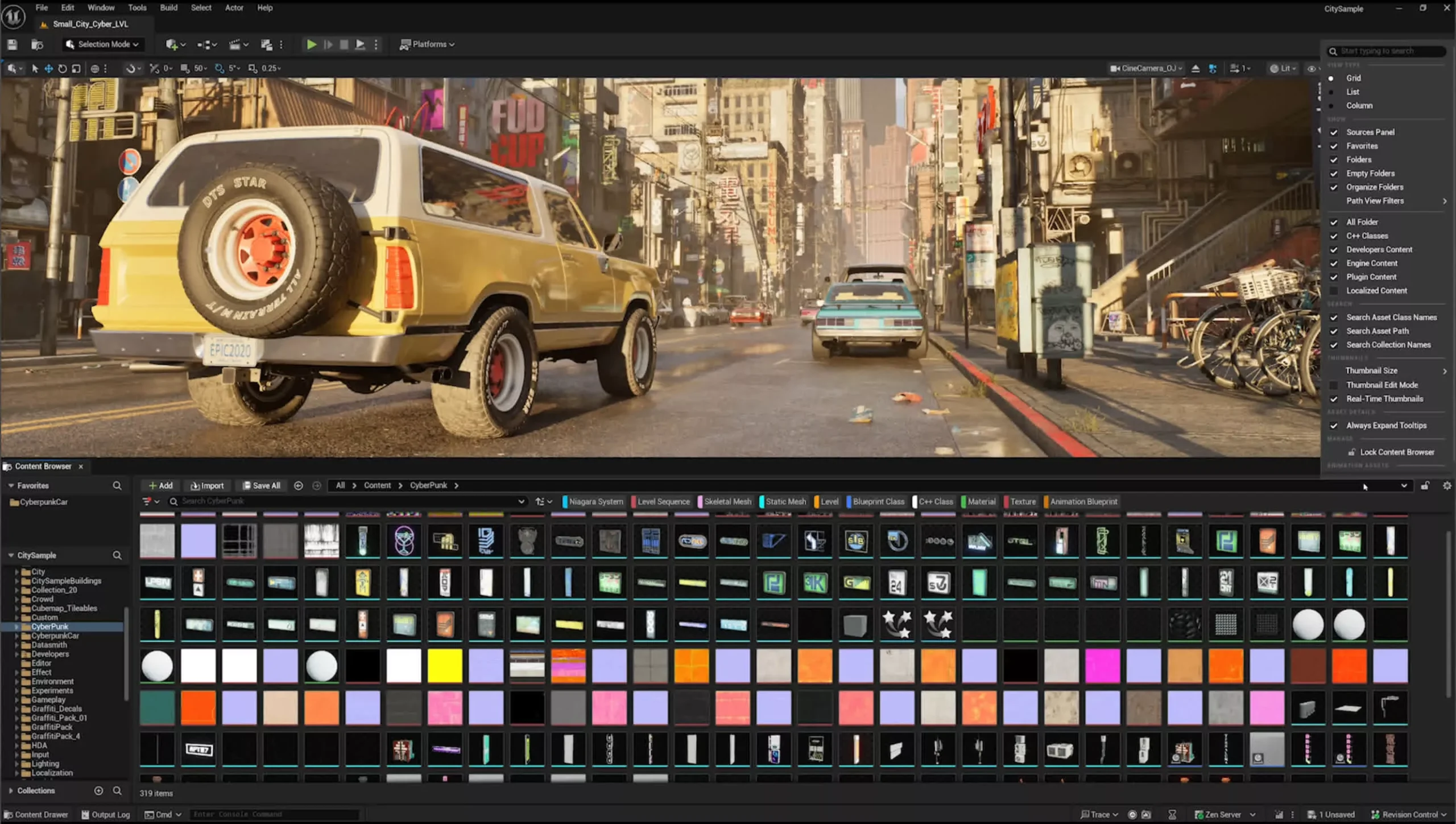
Top Game Engines : Unreal Engine 5 is widely recognized for its cutting-edge technology, including Nanite for virtualized geometry and Lumen for dynamic global illumination. This engine is ideal for developers aiming for AAA-quality FPS games with realistic environments and detailed weapon systems.
- Pros: Stunning visuals, robust multiplayer support, large community, and extensive marketplace.
- Cons: Higher learning curve and resource requirements.
- Platforms: PC, consoles, VR, mobile.
2. Unity: Flexible and Beginner-Friendly for FPS Development
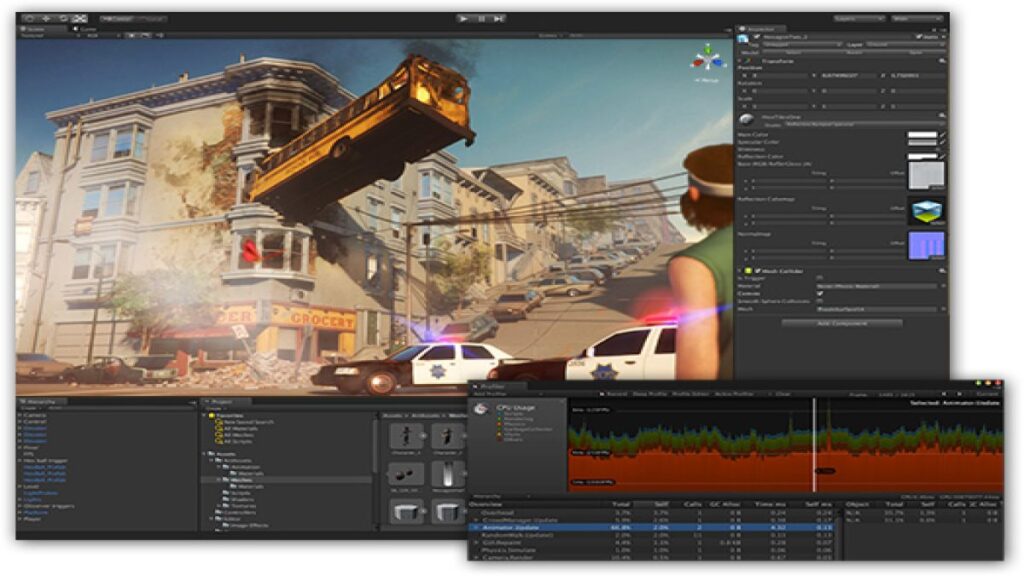
Top Game Engines:Unity is a versatile engine popular among indie developers for its ease of use and large asset store. Unity supports both 2D and 3D FPS games and is especially strong for cross-platform projects, including mobile and VR.
- Pros: Large community, flexible workflows, great for rapid prototyping.
- Cons: Requires extra plugins or customization for ultra-realistic graphics.
- Platforms: PC, consoles, mobile, VR, web.
3. Godot Engine: Open-Source Alternative for Indie FPS Games
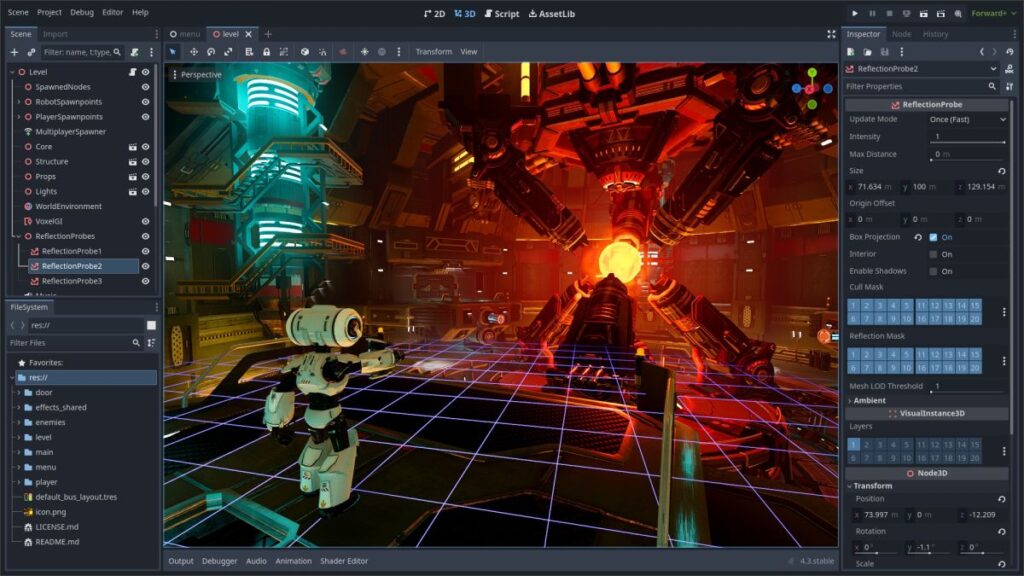
Top Game Engines:Godot is gaining traction as a free, open-source game engine with growing support for 3D graphics and FPS mechanics. While it may require more customization, Godot is perfect for indie developers or those on a tight budget.
- Pros: Free, lightweight, fast iteration, strong 2D/3D support.
- Cons: Smaller community, fewer ready-made assets for FPS.
- Platforms: PC, mobile, web.
4. CryEngine: High-Fidelity Visuals for Realistic FPS Games
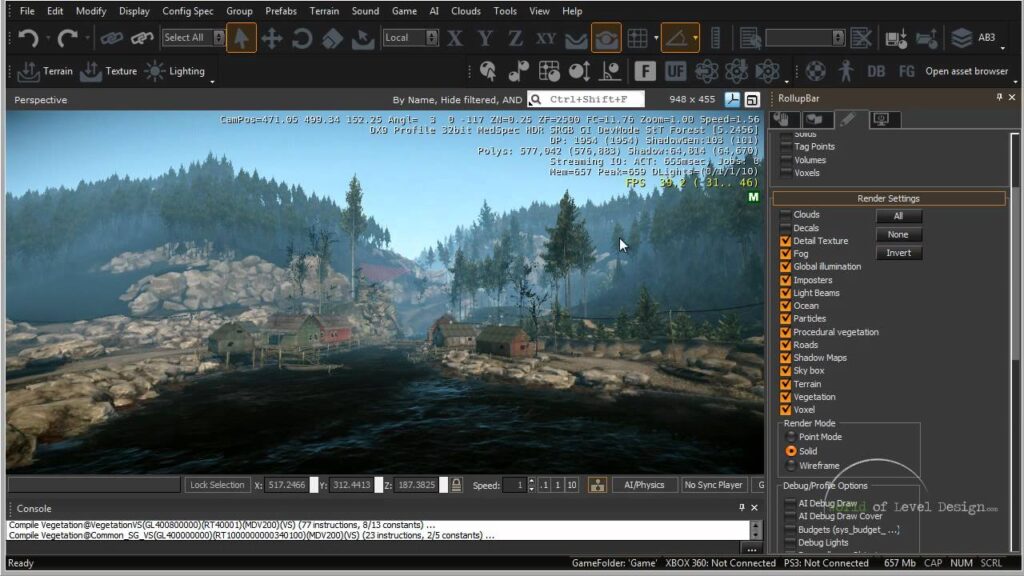
CryEngine excels at creating lifelike outdoor environments and realistic lighting, making it a top choice for visually stunning FPS games. Though it has a steeper learning curve, CryEngine delivers unparalleled graphics quality.
- Pros: Exceptional graphics, realistic physics, strong environmental rendering.
- Cons: Smaller user base, complex to learn.
- Platforms: PC, consoles.
How to Choose the Right Engine for Your FPS Game
When selecting a game engine, consider these factors:
- Target Platform: PC, console, mobile, or VR?
- Team Skills: Are your developers proficient in C++, C#, or scripting languages?
- Game Scope: Will it be a single-player or multiplayer FPS? Open world or arena style?
- Budget: Consider licensing costs and asset purchases.
- Timeline: Some engines allow faster prototyping than others.
Final Thoughts
For developers aiming to build modern FPS games in 2025, Unreal Engine 5 remains the top choice for AAA-quality projects, while Unity offers flexibility for indie and cross-platform games. Godot is an excellent option for those seeking a free and open-source engine, and CryEngine shines in delivering realistic visual fidelity.
No matter which engine you choose, ensure it aligns with your project’s goals, budget, and team capabilities to maximize your FPS game’s success.